Treatments
If you are in need of high-quality, professional and friendly eye care, look no further than our clinic.
Advanced Cataract Surgery
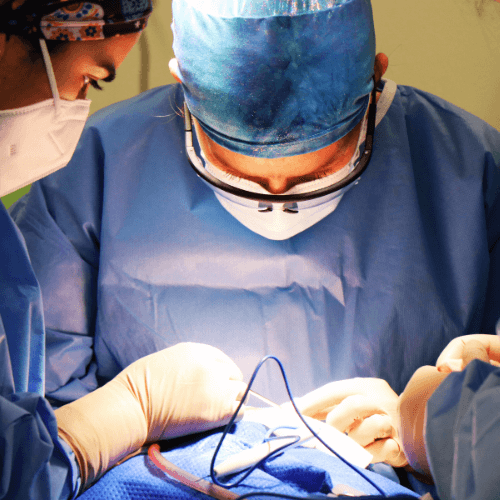
Cataracts are one of the most common causes of vision loss, especially as we age. The good news is that modern cataract surgery has evolved into a safe, precise, and highly effective procedure that not only restores clarity but can also reduce dependence on glasses.
What Makes Advanced Cataract Surgery Different?
Phacoemulsification technology: Using ultrasound energy, the cloudy lens is gently broken down and removed through a tiny incision. This minimally invasive approach ensures faster healing and less discomfort.
Customized intraocular lens (IOL) implants: Instead of a one‑size‑fits‑all solution, patients can choose lenses tailored to their lifestyle—whether for distance, near, or multifocal vision.
Precision and safety: Modern surgical systems allow surgeons to achieve remarkable accuracy, reducing risks and enhancing outcomes.
Quick recovery: Most patients notice improved vision within 24–48 hours, with minimal restrictions after surgery.
Benefits Beyond Clarity
Advanced cataract surgery is not just about removing the cloudy lens—it’s about giving patients the freedom to enjoy life with sharper, brighter vision. Whether it’s reading, driving, or simply appreciating the colors of the world, this procedure can be truly life‑changing.
Final Note
With today’s technology, cataract surgery is more than a medical necessity—it’s an opportunity to personalize vision correction. By combining phacoemulsification with advanced IOLs, patients can look forward to clear sight and renewed confidence.
LASIK & Refractive Correction
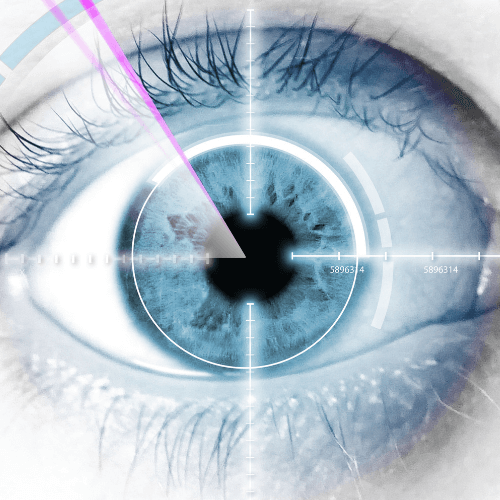
Freedom from Glasses and Contact Lenses
For many people, glasses and contact lenses are a daily necessity. While they correct vision, they can also feel limiting—fogging up in the rain, slipping during sports, or causing dryness after long hours. Modern laser vision correction offers a safe, effective, and lasting solution.
What is LASIK?
LASIK (Laser-Assisted In Situ Keratomileusis) is a highly advanced procedure that reshapes the cornea using precision laser technology. By correcting how light focuses on the retina, LASIK can reduce or even eliminate the need for glasses or contact lenses.
Who Can Benefit?
Nearsightedness (myopia): Difficulty seeing distant objects clearly
Farsightedness (hyperopia): Difficulty focusing on near objects
Astigmatism: Blurred or distorted vision due to irregular corneal shape
Advantages of LASIK & Refractive Surgery 🌟
Quick and painless: The procedure takes only minutes, with minimal discomfort.
Fast recovery: Most patients notice clearer vision within 24 hours.
Long-lasting results: With stable vision, the correction can last for years.
Lifestyle freedom: No more dependence on glasses or contact lenses for daily activities.
Alternatives to LASIK
Not everyone is a candidate for LASIK. Other options include PRK (Photorefractive Keratectomy), SMILE (Small Incision Lenticule Extraction), and ICL (Implantable Collamer Lens)—each tailored to specific eye conditions and patient needs.
Final Note
Laser vision correction is more than a procedure—it’s a lifestyle upgrade. With modern technology and expert care, patients can enjoy sharper, clearer vision and the freedom to live without constant reliance on glasses or contacts.
Glaucoma Management
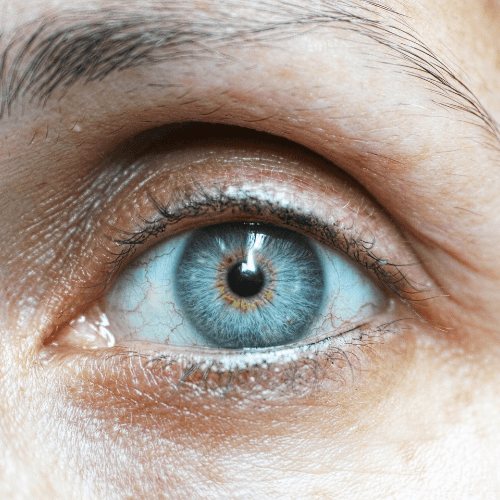
Glaucoma is often called the “silent thief of sight” because it can damage the optic nerve without obvious symptoms in the early stages. Left untreated, it may lead to irreversible vision loss. The good news is that with early detection, careful monitoring, and timely treatment, most patients can preserve their sight and live confidently.
Why Early Detection Matters
Glaucoma develops when fluid pressure inside the eye increases, damaging the optic nerve. Because vision loss usually begins at the periphery and progresses slowly, many patients don’t notice changes until the disease is advanced. Regular eye check‑ups are the only way to catch glaucoma early.
Key Steps in Glaucoma Management
Comprehensive eye exams: Measuring eye pressure, examining the optic nerve, and performing visual field tests.
Monitoring progression: Regular follow‑ups help track changes and adjust treatment plans.
Medical treatment: Eye drops or oral medications to lower intraocular pressure.
Laser therapy: Procedures like trabeculoplasty improve fluid drainage.
Surgical options: Advanced techniques such as minimally invasive glaucoma surgery (MIGS) provide long‑term control when medications aren’t enough.
Living Well with Glaucoma
Glaucoma cannot be cured, but it can be controlled. With consistent care, patients can maintain good vision and quality of life. Lifestyle choices such as regular exercise, balanced diet, and avoiding smoking also support overall eye health.
Final Note
Glaucoma management is about vigilance and partnership. By combining modern technology with personalized care, patients can protect their vision and prevent avoidable blindness.
Diabetic Retinopathy Screening
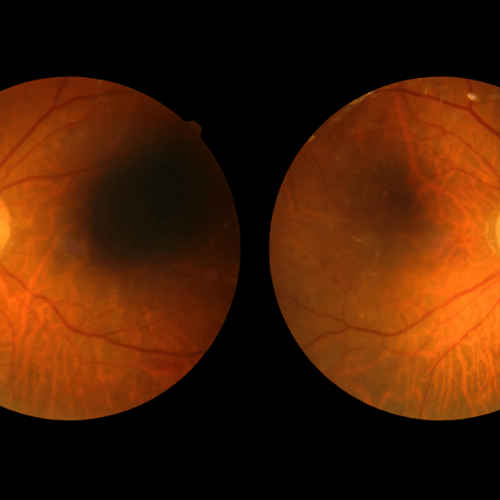
Diabetes affects more than just blood sugar—it can quietly damage the eyes. One of the most serious complications is diabetic retinopathy, a condition where high blood sugar harms the tiny blood vessels in the retina. Left undetected, it can lead to vision loss or even blindness.
Why Screening Matters
The challenge with diabetic retinopathy is that it often develops without noticeable symptoms in the early stages. By the time vision changes occur, the disease may already be advanced. That’s why regular retinal screening is essential for every person living with diabetes.
What Happens During Screening
Specialized retinal examination: Using advanced imaging, your ophthalmologist examines the inner nerve layer (Retina) of the eye, in detail
Early detection: Subtle changes in blood vessels, swelling, or small hemorrhages can be identified before vision is affected.
Personalized management: If changes are found, timely treatment—such as laser therapy, injections, or surgery—can prevent progression.
Benefits of Early Detection 🌟
Preserves clear vision for longer
Reduces the risk of severe complications
Provides peace of mind through regular monitoring
Supports overall diabetes management by linking eye health with systemic control
Final Note
Diabetic retinopathy screening is not just a test—it’s a safeguard for your future vision. With early detection and proper care, patients with diabetes can continue to live full, active lives without the fear of preventable blindness.
Pediatric & Adult Eye Checkups
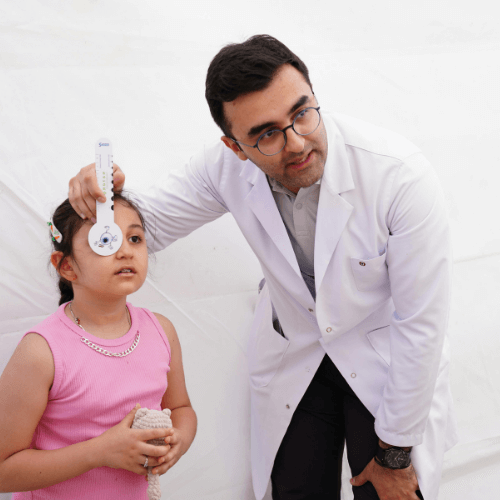
Caring for Vision at Every Age
Healthy vision is essential for learning, working, and enjoying life. From childhood through adulthood, regular eye examinations play a vital role in detecting problems early and ensuring clear sight.
Why Eye Checkups Matter
For children: Early eye exams can identify issues like lazy eye, squint, or refractive errors that may affect learning and development. Detecting these problems early allows timely treatment and prevents long‑term complications.
For adults: Routine checkups help monitor changes in vision, detect conditions such as glaucoma, cataracts, or diabetic retinopathy, and ensure that corrective lenses remain accurate.
For seniors: Comprehensive exams are crucial to catch age‑related eye diseases before they cause irreversible vision loss.
What to Expect During an Eye Exam 👁️
Vision testing: Checking clarity for near and distance vision.
Refraction assessment: Determining the need for glasses or contact lenses.
Dilated eye examination: with eye drops, to get a better view of the inner parts of the eye – hence would advise not to come driving when coming for eye examination.
Eye health evaluation: Examining the retina, optic nerve, and eye pressure.
Lifestyle guidance: Advice on screen use, nutrition, and protective measures for healthy eyes.
Benefits of Regular Checkups 🌟
Early detection of hidden eye conditions
Better performance in school and work
Peace of mind for parents and families
Long‑term protection of vision and quality of life
Final Note
Comprehensive eye examinations are not just about correcting vision—they are about safeguarding health. Whether for children starting school or adults managing daily responsibilities, regular checkups ensure that eyes remain strong, clear, and ready for life’s challenges.
Contact Lens & Vision Correction Services
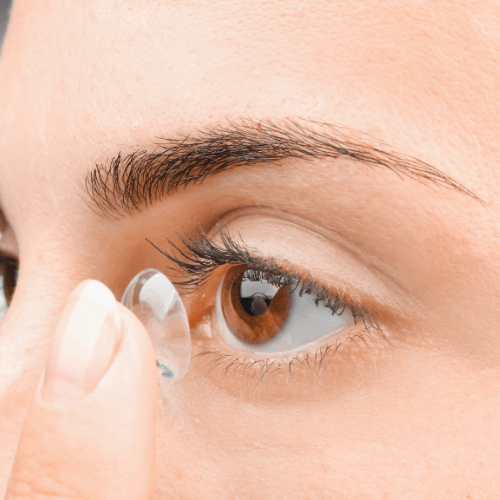
Tailored Clarity for Every Lifestyle
Not everyone wants or needs surgery to enjoy clear vision. Contact lenses provide a versatile, non‑surgical option that adapts to your daily routine, whether you’re at work, playing sports, or simply enjoying time with family. With expert fitting and guidance, they offer comfort, safety, and confidence.
Why Contact Lenses?
Seamless vision: No frames or visual distortions—just natural clarity.
Active lifestyle support: Ideal for sports, travel, and outdoor activities.
Style choices: Colored lenses let you experiment with subtle or bold looks.
Modern comfort: Advanced materials keep eyes hydrated and healthy throughout the day.
Personalized Care 👁️
Every eye is unique, so professional fitting is essential:
Precise measurements ensure the right fit and maximum comfort.
Trial sessions allow patients to explore different lens types before deciding.
Safe wear guidance empowers patients with hygiene and care tips to protect eye health.
Beyond Lenses 🌟
For those seeking longer‑term solutions, vision correction services also include options like orthokeratology (overnight reshaping lenses) or advanced surgical procedures. Together, these choices create a spectrum of safe, personalized pathways to clear sight.
Final Note
Contact lenses are more than a substitute for glasses—they’re a flexible, personalized vision solution. With expert fitting and ongoing care, patients can enjoy clarity, comfort, and confidence every day.
Dr. Chaitanya Vemu's Eye Clinic - Center for Cataract Surgery and Glaucoma
Delivering trusted, advanced and compassionate eye care for every generation.