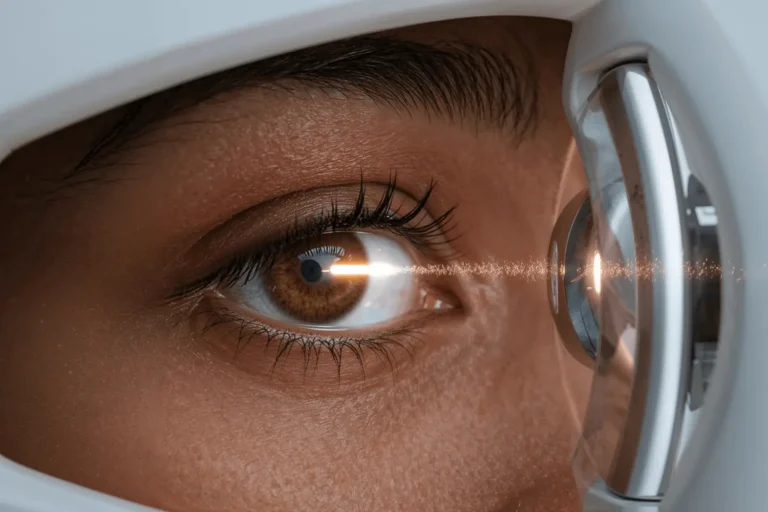
Our eyes are one of the most delicate and fascinating organs in our body, yet they’re surrounded by countless myths and misconceptions. From old wives’ tales to social media “hacks,” it’s easy to get confused about what’s actually true when it comes to eye health. Let’s clear the air and debunk some of the most common myths about your eyes.
Myth 1: Reading in Dim Light Will Ruin Your Eyes
Many people believe that reading in poor lighting causes permanent eye damage. In reality, it doesn’t. Reading in dim light can make your eyes feel tired and strained, but it doesn’t harm your vision. If you often read in low light, your eyes may just need a break or a bit more brightness to stay comfortable.
Myth 2: Watching Too Much TV Will Damage Your Eyes
Spending hours in front of the TV won’t permanently damage your eyes, but it can cause eye strain, dryness, or headaches. The real issue isn’t the screen itself—it’s how we use it. Follow the 20-20-20 rule: every 20 minutes, look at something 20 feet away for 20 seconds to relax your eyes.
Myth 3: Wearing Glasses Makes Your Eyes Weaker
This one’s completely false. Glasses don’t make your eyesight worse—they help you see better. Your vision may continue to change over time due to age or other factors, but your glasses aren’t to blame. In fact, avoiding glasses when you need them can cause more strain and discomfort.
Myth 4: Eating Carrots Can Fix Poor Vision
Carrots are rich in vitamin A, which supports good eye health—but they can’t correct vision problems like nearsightedness or astigmatism. A balanced diet that includes leafy greens, fish, and fruits is far more beneficial for long-term eye health than relying on carrots alone.
Myth 5: Eye Exercises Can Eliminate the Need for Glasses
There’s no scientific evidence that eye exercises can reverse refractive errors like myopia (nearsightedness) or hyperopia (farsightedness). While some exercises may relieve strain and improve focus flexibility, they won’t replace prescription glasses or contact lenses.
Myth 6: You Don’t Need an Eye Exam Unless You Have Vision Problems
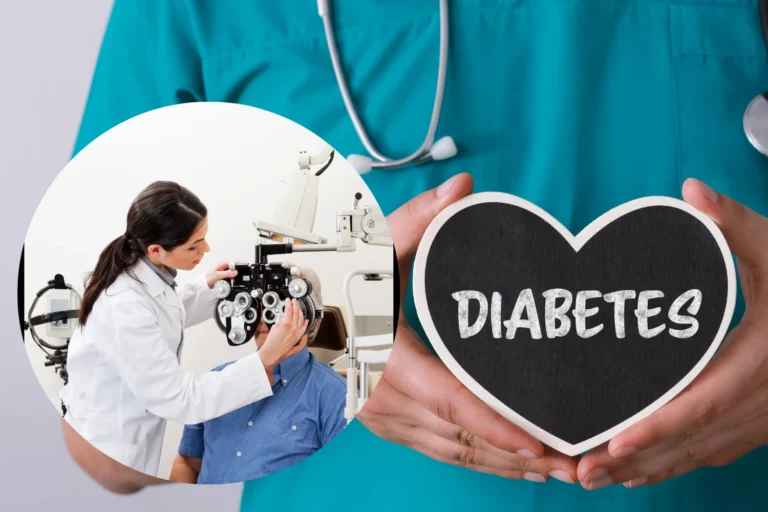
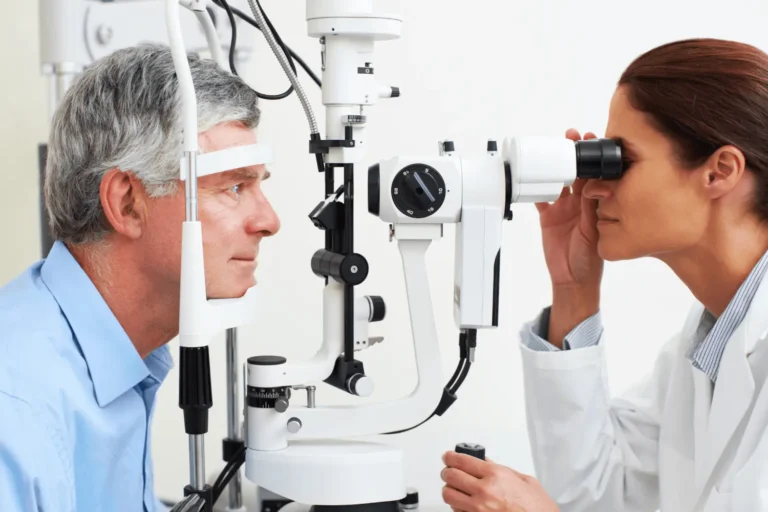
Even if your eyesight seems perfect, routine eye check-ups are crucial. Many serious eye conditions—like glaucoma or diabetic retinopathy—develop silently without symptoms. Regular exams help detect these early and prevent long-term vision loss.
Conclusion
Eye myths have been passed down for generations, but believing them can prevent you from taking proper care of your eyes. The best way to protect your vision is simple: maintain a healthy lifestyle, follow good screen habits, and visit your eye doctor regularly.
Your eyes deserve care based on facts, not fiction.